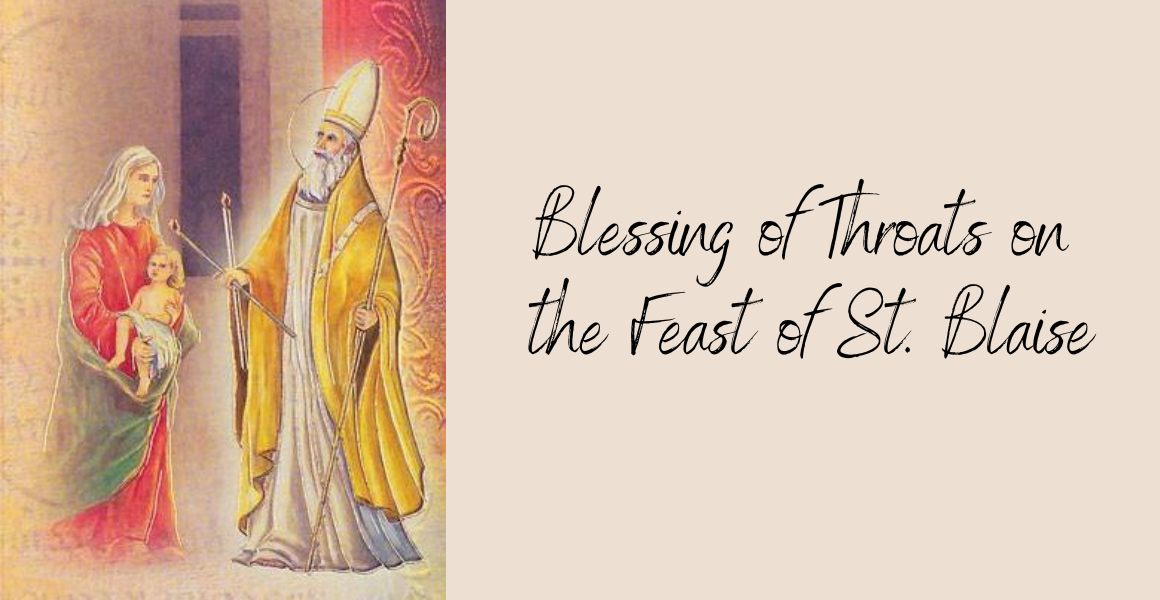
In the annals of Christian history, few figures embody the dual roles of healer and martyr as profoundly as Saint Blaise. Born in the late third century in Sebastea, Armenia, to a noble family, Blaise pursued a career in medicine before his calling to the priesthood and eventual elevation to bishop. His life, marked by unwavering faith amid persecution, continues to inspire Catholics worldwide, particularly through the annual blessing of throats on his feast day, February 3.
According to historical accounts, Blaise's early years were dedicated to healing the sick as a physician, earning him the moniker "physician of souls" as he transitioned to spiritual leadership. During a time of intense Christian persecution under Roman emperors, he retreated to a cave in the wilderness to evade capture, where he lived as a hermit in prayer and solitude. Legends recount that wild animals, including lions, bears, and wolves, sought him out not for harm but for healing, recognizing his gentle authority over creation. This connection to animals solidified his patronage over them, alongside wool combers and traders, due to the instruments of his martyrdom resembling tools of their trade.
One of the most enduring miracles attributed to Blaise occurred en route to prison after his arrest by Governor Agricolaus. A distraught mother approached him with her young son, who was choking on a fishbone and near death. Blaise commanded the boy to cough up the bone, and the child was instantly cured. This act of compassion, performed even in chains, underscores his reputation for miraculous healings. Another tale describes Blaise commanding a wolf to return a pig it had stolen from a poor widow, restoring her livelihood and demonstrating his intercession for the vulnerable. These stories, preserved in the legendary Acts of St. Blaise written centuries later, highlight his role as a protector and healer.
Blaise's martyrdom came in 316 AD, during the persecutions that persisted despite the Edict of Toleration. Refusing to sacrifice to pagan idols, he endured brutal tortures: beaten with clubs, his flesh torn with iron combs, and ultimately beheaded. His steadfast faith in the face of suffering exemplifies the Christian call to witness, as reflected in the Catechism of the Catholic Church, which teaches on the intercession of saints: "Being more closely united to Christ, those who dwell in heaven fix the whole Church more firmly in holiness.... They do not cease to intercede with the Father for us." This passage affirms the ongoing role of martyrs like Blaise in aiding the faithful through prayer.
Devotion to Saint Blaise spread rapidly, especially in the Middle Ages, where he was invoked as one of the Fourteen Holy Helpers, a group of saints revered for their aid against illnesses. His feast day tradition of blessing throats with crossed candles stems from the miracle of the choking boy and the widow's gift of candles to illuminate his prison cell. The prayer invoked during this blessing is: "Through the intercession of Saint Blaise, bishop and martyr, may God deliver you from ailments of the throat and from every other evil. In the name of the Father, and of the Son, and of the Holy Spirit. Amen." This ritual, performed annually in Catholic churches, serves as a tangible reminder of God's healing grace through saintly intercession.
Saint Blaise himself is attributed with profound words of devotion, such as: "Father of mercy and God of all consolation, graciously look upon me and impart to me the blessing which flows from this holy Sacrament. Overshadow me with Your loving kindness, and let this divine Mystery bear fruit in me." These words reflect a deep Eucharistic piety, aligning with Catholic teachings on the sacraments as sources of spiritual nourishment.
Popes have long emphasized the value of saintly intercession in the life of the Church. Pope Francis, in reflecting on the communion of saints, has echoed the Catechism's teachings, noting how the faithful are strengthened by the prayers of those in heaven. Similarly, saints like Saint Jerome have historically defended the veneration of martyrs, stating in his writings that honoring them glorifies Christ whom they imitated. Blaise's legacy invites believers to seek healing not only for physical ailments but for spiritual ones, trusting in the intercessory power of the saints as taught in the Catechism: "In intercession, he who prays looks not only to his own interests, but also to the interests of others."
Today, relics of Saint Blaise are venerated in places like the Basilica at the University of Notre Dame, where his story continues to draw pilgrims seeking solace. His life challenges modern Catholics to emulate his compassion, faith, and willingness to suffer for the Gospel, reminding us that true healing comes through union with Christ.
List of Sources:
https://www.dynamiccatholic.com/saint-today-0203.html
https://www.franciscanmedia.org/saint-of-the-day/saint-blaise/
https://www.catholic.org/saints/saint.php?saint_id=28
https://dioceseofprovidence.org/news/february-3-the-feast-of-saint-blaise
https://faith.nd.edu/saint/st-blaise/
https://www.vatican.va/content/catechism/en/part_four/section_one/chapter_one/article_3/iii_prayer_of_intercession.html
https://www.azquotes.com/author/39245-Saint_Blaise
https://www.catholicculture.org/culture/library/catechism/index.cfm?recnum=3155